Rebuilding on Sunrise Key comes with a clear mandate: design for wind, water, and long-term resilience. You want a home that feels effortless day to day and stands strong when storms come. In this guide, you’ll learn the HVHZ code basics, flood elevation rules, product approvals, permits, and insurance credits that matter most on this island neighborhood. Let’s dive in.
What HVHZ means on Sunrise Key
Sunrise Key sits in Broward County, which is designated as a High-Velocity Hurricane Zone. That means your structure must be designed for higher wind and impact standards than most of Florida. The code sets a 3-second gust design wind speed of 170 mph for Broward, and it adds HVHZ-specific details for structural connections and opening protection. Review the relevant rules in the Florida Building Code HVHZ provisions.
Site hazards you must plan for
Wind and debris exposure
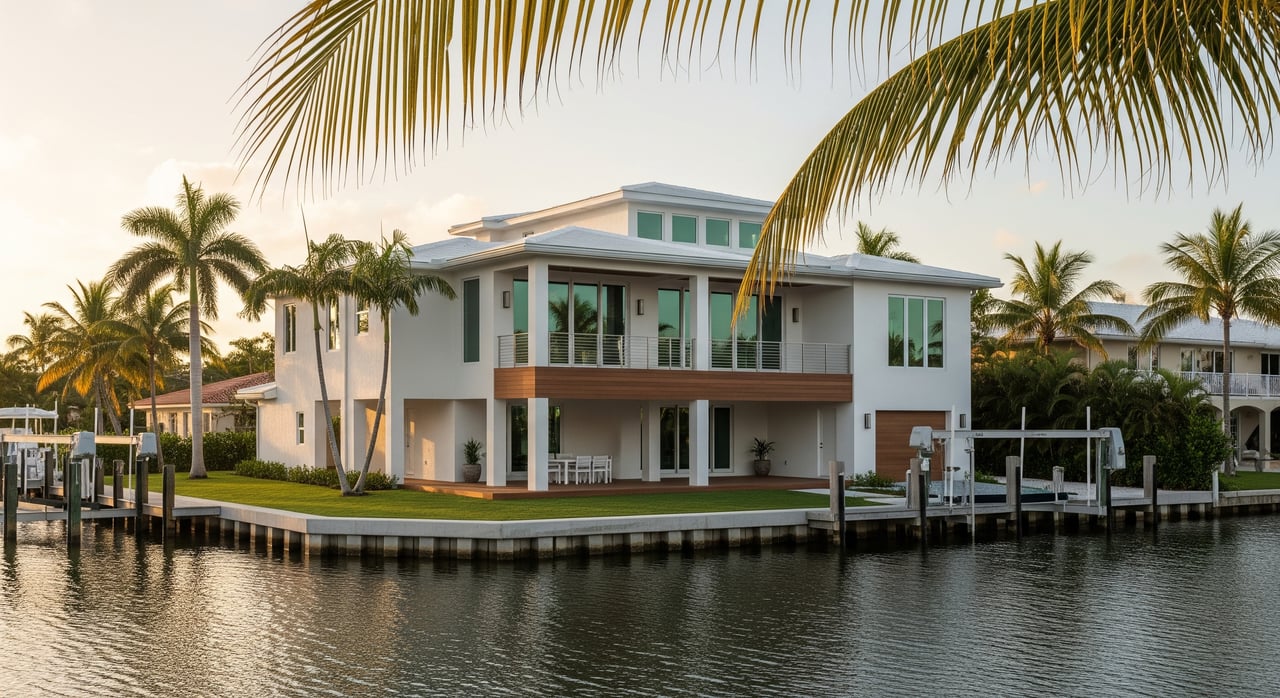
As a waterfront island, Sunrise Key is open to strong wind and wind-borne debris. Your engineer should plan a continuous load path, from roof to foundation, sized for HVHZ wind loads. This reduces the risk of roof or wall failure during a storm.
Flood zones and base flood elevation
Many lots fall within FEMA Special Flood Hazard Areas, which set the minimum lowest-floor elevation. Use the current Broward County flood maps to confirm your parcel’s Base Flood Elevation, then set finished floors and foundations accordingly.
Sea level rise and storm surge
Planning beyond the minimums can pay off over your home’s life. Consider additional freeboard, elevate critical systems, and model future conditions using the NOAA sea level rise tool to inform siting and systems placement.
Seawalls, access, and staging
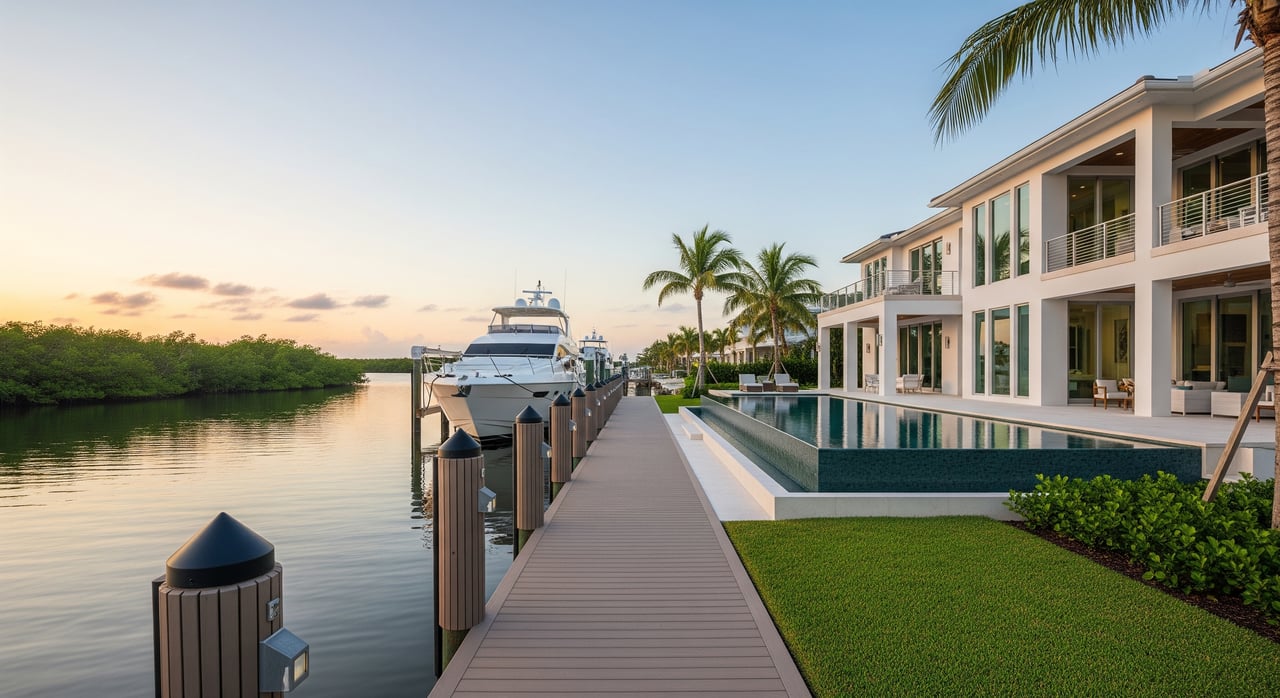
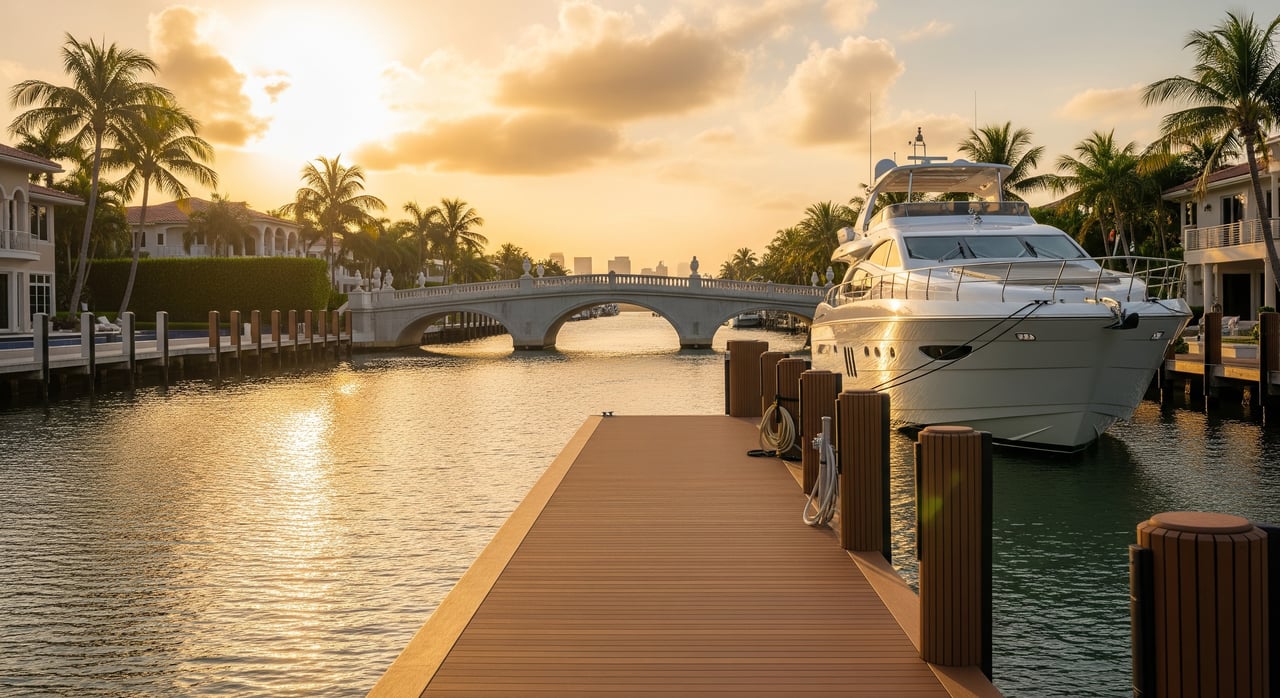
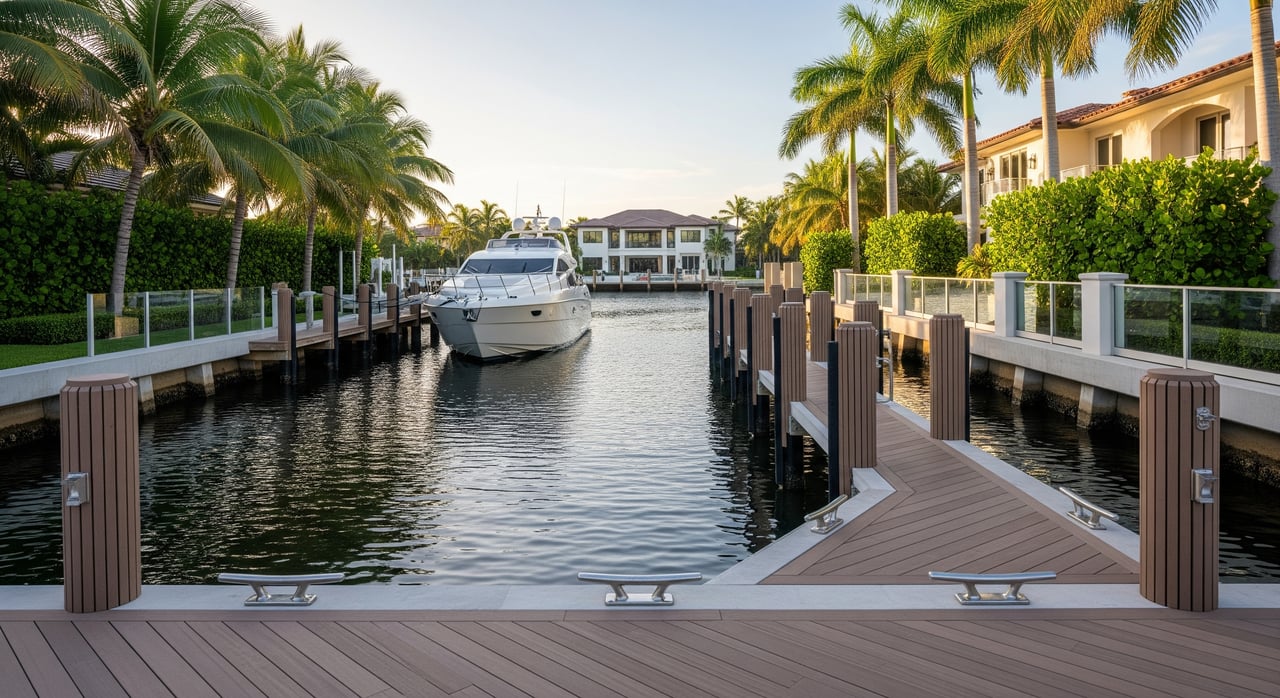
Sunrise Key’s single gated entry affects construction logistics. Many parcels also include seawalls or docks that may require environmental or marine permits if you repair or replace them. Coordinate early with the city and county to avoid delays.
HVHZ design essentials
Continuous load path
- What to ask for: Engineered connections that tie roof, walls, and foundation together, sized for Broward’s 170 mph design wind speed.
- Why it matters: A continuous load path is the backbone of HVHZ performance and helps prevent catastrophic failure.
Impact-rated openings
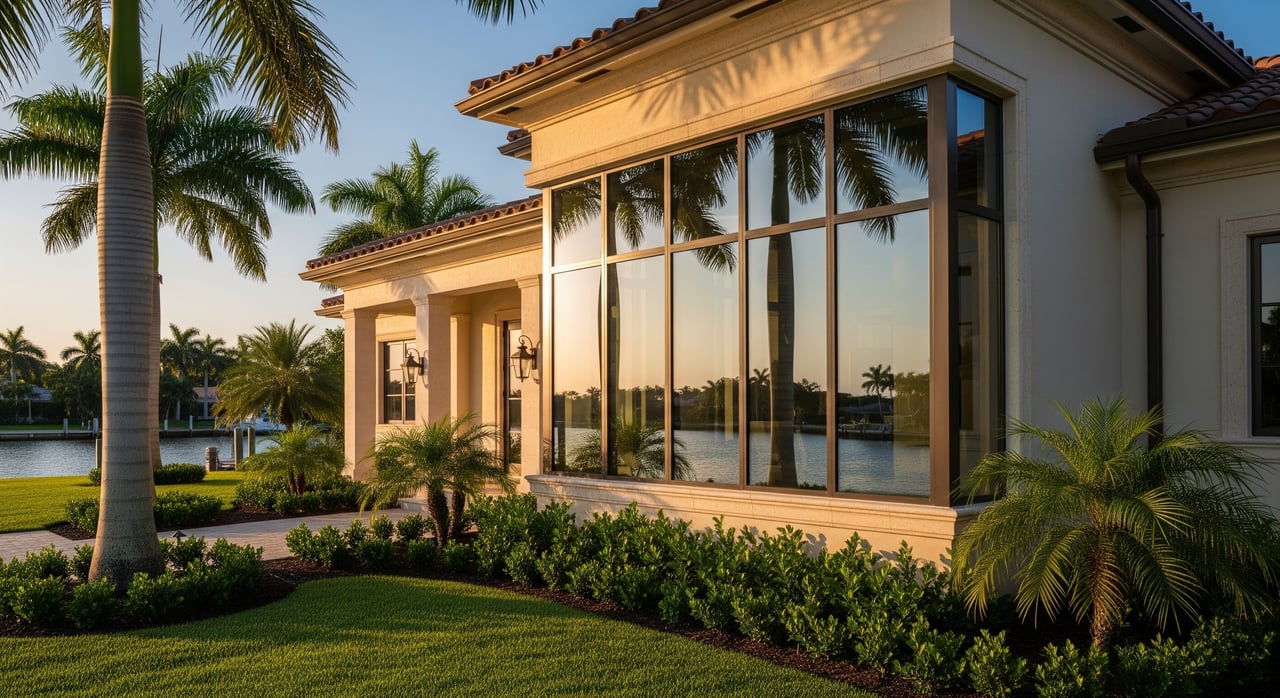
- What to ask for: Windows, doors, and garage doors with HVHZ approvals. Look for Miami-Dade TAS testing (TAS 201/202/203) or Florida Product Approvals that specify HVHZ use. Review the debris impact standards and TAS testing.
- Why it matters: A failed opening can pressurize the home and lead to roof loss. Large-missile protection is required within 30 feet of grade.
Elevation strategy
- What to ask for: Finished floor set at or above the mapped BFE, with added freeboard when practical. Confirm BFE early with a survey and elevation certificate.
- Why it matters: Elevating reduces flood risk and can improve insurability.
Mechanical, electrical, and HVAC placement
- What to ask for: Elevate A/C condensers, main electrical panels, generators, and service disconnects above BFE. Use flood-resistant materials below required elevations.
- Why it matters: Protecting equipment shortens downtime and lowers replacement costs after a flood.
Roof system and secondary water barrier
- What to ask for: An HVHZ-approved roof assembly and a code-compliant secondary water barrier. Follow manufacturer nailing patterns, adhesives, and fasteners.
- Why it matters: A secondary barrier reduces interior water damage if coverings are compromised.
Drainage, grading, and seawall coordination
- What to ask for: Site plans that address stormwater flow, possible sump pumps or check valves, and any seawall or dock work that needs permits.
- Why it matters: Good drainage and shoreline protection support the foundation and safe access during storms.
Non-structural resilience
- What to ask for: Durable finishes in lower areas, elevated appliances, and landscaping that won’t funnel debris toward doors and windows.
- Why it matters: These details speed recovery and reduce loss after a storm.
Product approvals that inspectors expect
For exterior openings and roofing, keep proof that products are approved for HVHZ. Save PDFs and installation drawings for each item, and make sure installers follow them exactly. You or your contractor can verify models in the Florida Product Approval database. Inspectors will check labels and installation details on site.
Permitting in Fort Lauderdale
Sunrise Key rebuilds are permitted through the City of Fort Lauderdale’s LauderBuild portal. Typical submittals include sealed architectural and structural plans, product approvals/NOAs, surveys, proposed finished floor elevations, and elevation certificates in flood zones. Start at the Fort Lauderdale Building Services portal for current submittal requirements.
Inspections usually occur in stages: foundation or piles, floor elevation, structural connections, doors and windows, roof covering, MEP elevations, and final. Keep your Notice of Commencement, contractor licensing and insurance, and any marine permits organized for smooth reviews.
Insurance and cost savers
- Wind mitigation credits: Many insurers offer discounts for features like impact-rated openings, reinforced roof-to-wall connections, and secondary water barriers. After construction, request a wind mitigation inspection using the Uniform Mitigation Verification Form (OIR-B1-1802), and keep your permits and product approvals handy.
- State grants: The My Safe Florida Home program periodically provides free inspections and matching grants for qualifying wind-hardening upgrades. Check current eligibility and timing.
- Flood insurance: Elevating above BFE and documenting elevations can affect NFIP premiums. Your elevation certificate and local flood map data help your insurer price risk.
Sunrise Key rebuild checklist
- Hire an architect and structural engineer with Broward HVHZ and coastal experience. Require FBC HVHZ and ASCE 7 compliance.
- Pull your parcel’s BFE from the Broward flood map and order a survey and early elevation certificate.
- Choose windows, doors, garage doors, shutters, and roof systems with HVHZ approvals, and keep the product approval PDFs for permitting.
- Detail a continuous load path with roof-to-wall clips, straps, and hold-downs sized for 170 mph design winds.
- Elevate MEP systems above BFE and specify flood-resistant materials below required elevations.
- Submit sealed plans, product approvals, surveys, and proposed finished floor elevation through LauderBuild. Record the Notice of Commencement.
- Keep inspection reports, elevation certificates, and your wind mitigation form for insurance credits.
- Before purchase or installation, verify the code edition, flood map status, and product approval documents currently in effect.
Next steps
Rebuilding on Sunrise Key should enhance your lifestyle and protect your investment. With the right team, HVHZ-rated products, and a clear permit path, you can deliver a home that feels effortless in calm weather and resilient in a storm. If you’re weighing a rebuild or a property purchase on the island, connect with Jaime Cristancho for local guidance and a smooth path from concept to closing.
FAQs
Do Sunrise Key rebuilds need impact windows in HVHZ?
- Yes. In Broward’s HVHZ, windows, doors, and coverings must meet HVHZ-level approvals, such as Miami-Dade TAS testing noted in the debris impact standards.
How high must I elevate on Sunrise Key?
- Your finished floor must meet or exceed the parcel’s Base Flood Elevation from Broward’s flood maps, and many owners add freeboard for resilience.
What wind speed should my engineer use in Broward HVHZ?
Which permits are required for seawalls and docks in Fort Lauderdale?
- Seawall or dock work may require environmental and building permits; coordinate early using the county’s permitting process overview and the city portal.
How do I get insurance discounts for wind mitigation in Florida?
- After construction, schedule a wind mitigation inspection and submit the OIR-B1-1802 form with product approvals and permits to your insurer for potential credits.
Where can I confirm a window or door is approved for HVHZ?
- Search the Florida Product Approval database and keep the product’s approval and installation drawings in your permit file and jobsite documentation.