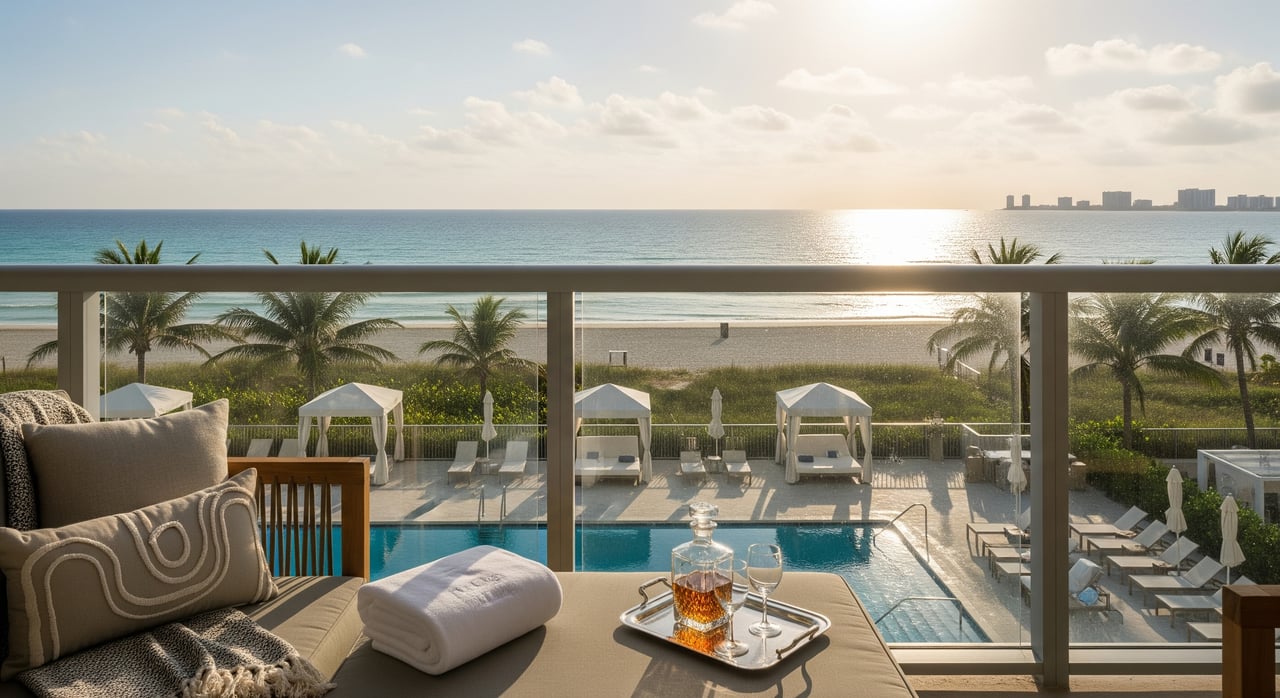
Central Beach Condo vs Condo-Hotel: How to Choose Wisely
December 4, 2025
December 4, 2025
Are you torn between a classic beach condo and a condo-hotel right on Central Beach? You want personal time by the ocean, but strong rental income is appealing too. The right choice comes down to how you plan to use the property, how flexible you need rentals to be, and what kind of financing and fees you are comfortable with. In this guide, you will learn the practical differences, local rules, financing realities, insurance factors, and a clear checklist to compare options. Let’s dive in.
A traditional condo gives you residential ownership of your unit and a share of common areas under Florida Condominium law (Chapter 718). These buildings are usually designed for full‑time or seasonal living. Most HOAs set minimum lease terms, such as 30 to 90 days, and may cap the number of rented units at any time. If rentals are allowed, you or your chosen manager handle marketing, bookings, and housekeeping.
A condo-hotel is a condominium unit inside a building that operates with hotel-style services like a front desk, daily housekeeping, and centralized reservations. Many allow nightly rentals and offer a rental program run by a hotel operator or management company. Participation can be mandatory or optional. The building still functions under Chapter 718, but project documents include hospitality rules that support frequent guest turnover.
Fort Lauderdale and Broward County regulate short‑term lodging. Expect possible city registration and licensing, safety and parking standards, and noise and occupancy limits that can change over time. If you plan to rent short term, confirm current city code and registration requirements before you buy.
Short‑term rentals trigger state and local tax obligations. Florida’s base sales tax rate is 6 percent. Local surtaxes and county tourist development taxes may also apply. In many condo‑hotels, the operator collects and remits these taxes for you, but always verify who files and how income is reported.
Your building’s recorded documents control what you can do. Review the declaration, bylaws, and any rental management agreement for minimum lease terms, owner use limits, rental pool participation, and revenue rules. In a condo‑hotel, confirm whether owner use dates are capped and if there are blackout periods.
Traditional condos prioritize residential use. Many bar nightly or weekly rentals to protect owner privacy and stabilize the HOA. If short‑term rentals are allowed, you control pricing, screening, and calendars, but you carry the work and cost of marketing and housekeeping.
Condo‑hotels are designed for nightly rentals and offer turnkey service. The operator manages reservations, guest services, housekeeping, and marketing. This can simplify ownership if you want hands‑off income. The tradeoff is less control over rates, guest selection, and scheduling. Some programs set owner‑use calendars and allocate dates based on demand patterns and brand standards.
In a traditional condo, you pay HOA assessments for building operations and reserves. If you rent, you generally keep your gross rental income and cover your own management, cleaning, and marketing costs. You accept market risk and handle compliance.
In a condo‑hotel, expect layered fees. These may include a hotel management fee, housekeeping charges, booking and marketing fees, and sometimes franchise or branding fees. The rental agreement will spell out revenue splits and any assessment of rental income for common expenses. Review every line item so you can model net income accurately.
Project rules also differ. Condo‑hotel documents often set hotel‑style standards for housekeeping and transient occupancy. Some give the operator formal roles in reservations and building services. Ask how the board is structured, whether the operator holds board seats, and how disputes are resolved.
Conventional lending programs have strict condo project standards. Many condo‑hotels do not meet conforming, FHA, or VA requirements because of hotel operations, short‑term rental exposure, or investor concentration. Buyers often use portfolio or specialty lenders that may require higher down payments and charge higher rates.
Traditional condos that are fully residential and “warrantable” are usually easier to finance with conventional loans. Lenders may still be cautious about counting projected short‑term rental income. If income is considered, underwriters often require a documented history.
Resale demand can differ. Condo‑hotels tend to attract investors and buyers who want a hotel lifestyle, which narrows the future buyer pool. Residential oceanfront condos may appeal to a wider set of second‑home and primary buyers, which can aid liquidity when you sell.
Every Florida condo carries a master policy for common elements as required by Chapter 718. The scope of coverage can vary, so confirm whether the policy covers full replacement or “bare walls.” As an owner, you will typically need an HO‑6 policy for interior improvements, personal property, and liability. Be aware of deductible obligations for wind or hurricane claims.
Condo‑hotels often have higher master policy premiums because of hospitality operations and guest turnover. Central Beach sits in coastal wind and flood exposure zones. Lenders commonly require flood insurance in designated zones, and premiums can be meaningful. Ask for the building’s wind mitigation features, elevation details, and recent insurance renewals. In Broward County, insurance market shifts can affect HOA budgets and lead to special assessments, so request the latest budgets and reserve studies.
Central Beach includes a mix of luxury residential towers, boutique and mixed‑use buildings, and older mid‑rise properties. Some buildings are fully residential. Others integrate hotel components or function as condo‑hotels with active short‑term rental programs.
Tourism and events drive seasonal demand. Winter is typically high season, supported by beach travel, boating and yachting activity, and conventions or vacations. This can boost occupancy and rates during peak months, then soften in slower periods. Income from a condo‑hotel may be more seasonal. Residential condos tend to rely less on nightly demand swings but still reflect broader coastal market cycles.
Use this checklist to compare specific buildings and units. Ask for documents and data before you write an offer.
Choose a traditional condo if your priority is personal use with a quieter residential setting and simpler financing. You will likely have longer minimum lease terms and more control over your space. Your buyer pool at resale may be broader among second‑home and primary buyers.
Choose a condo‑hotel if you want turnkey nightly rentals with professional marketing and services. Expect layered fees and less control over pricing and guests. Financing may be more specialized. Your income can be attractive in peak seasons yet more variable across the year.
If you are weighing both, start with building documents and real numbers rather than marketing labels. A “condo” can function much like a hotel if rules allow nightly stays, and a “condo‑hotel” can feel very residential if owner‑use rights are generous. The documents and local compliance will determine your true flexibility and income.
Ready to compare specific Central Beach properties, fee schedules, and lending paths side by side? Connect with Jaime Cristancho for a tailored plan, access to new‑development options, and a clear path from analysis to closing.
Stay up to date on the latest real estate trends.

Embark on a seamless real estate journey with Jaime Cristancho. From initial consultation to closing, we’re here to listen, guide, and help you achieve success in every step of your South Florida property journey.
1209 E LAS OLAS BLVD FORT LAUDERDALE FL 33301