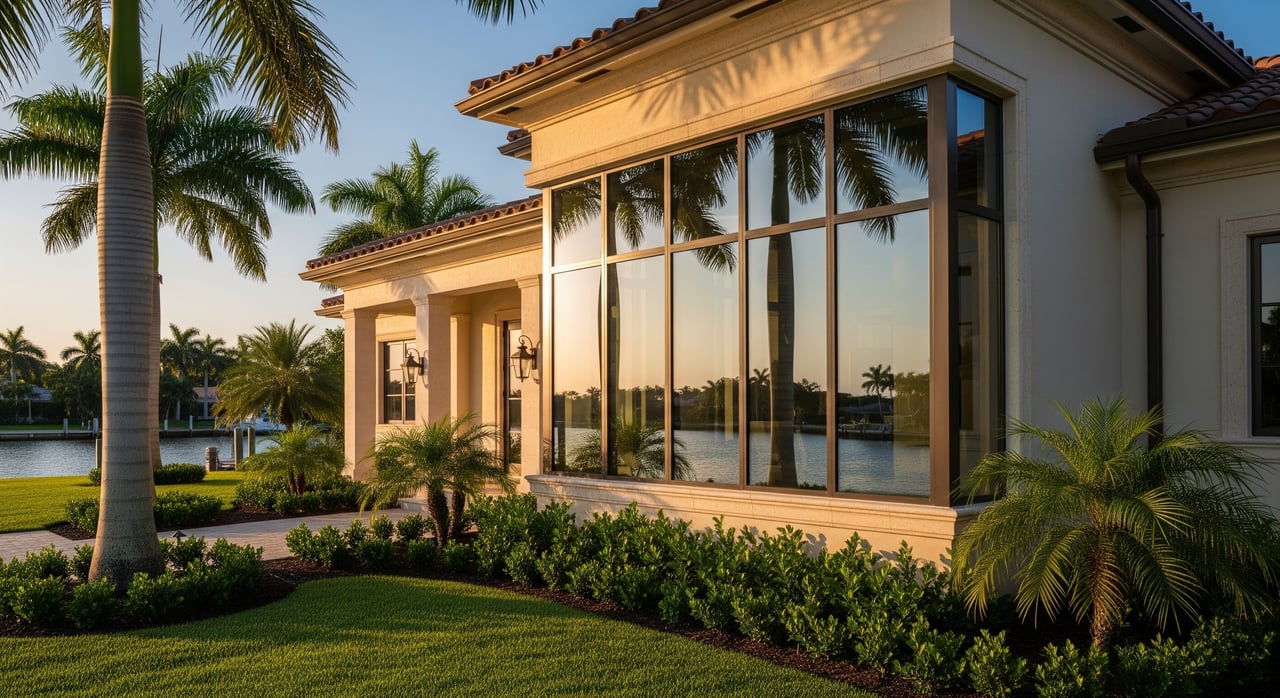
Thinking about a Seven Isles home but wondering if your boat will actually fit the dock? You are not alone. In Fort Lauderdale’s Las Olas canal network, the right waterfront lot depends on your boat’s length, beam, draft, and how you plan to use the slip day to day. In this guide, you will learn the practical measurements, local considerations, and permitting basics you need to shortlist the right properties with confidence. Let’s dive in.
Why Seven Isles dockage matters
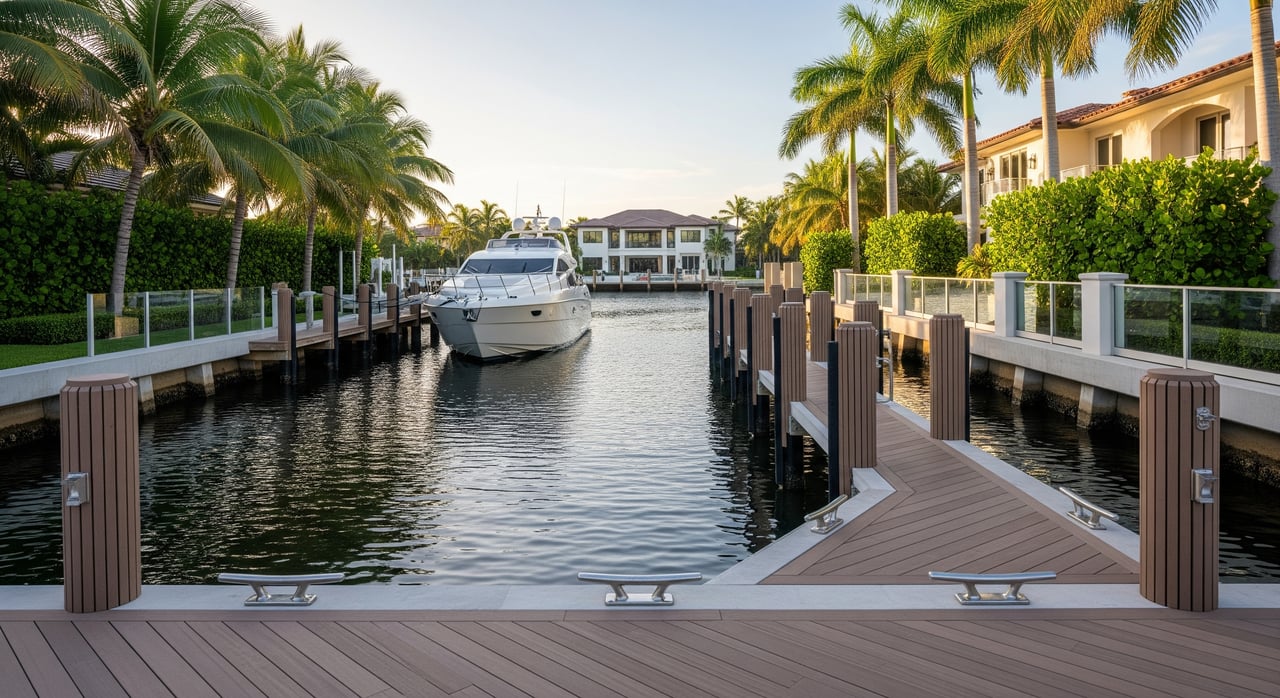
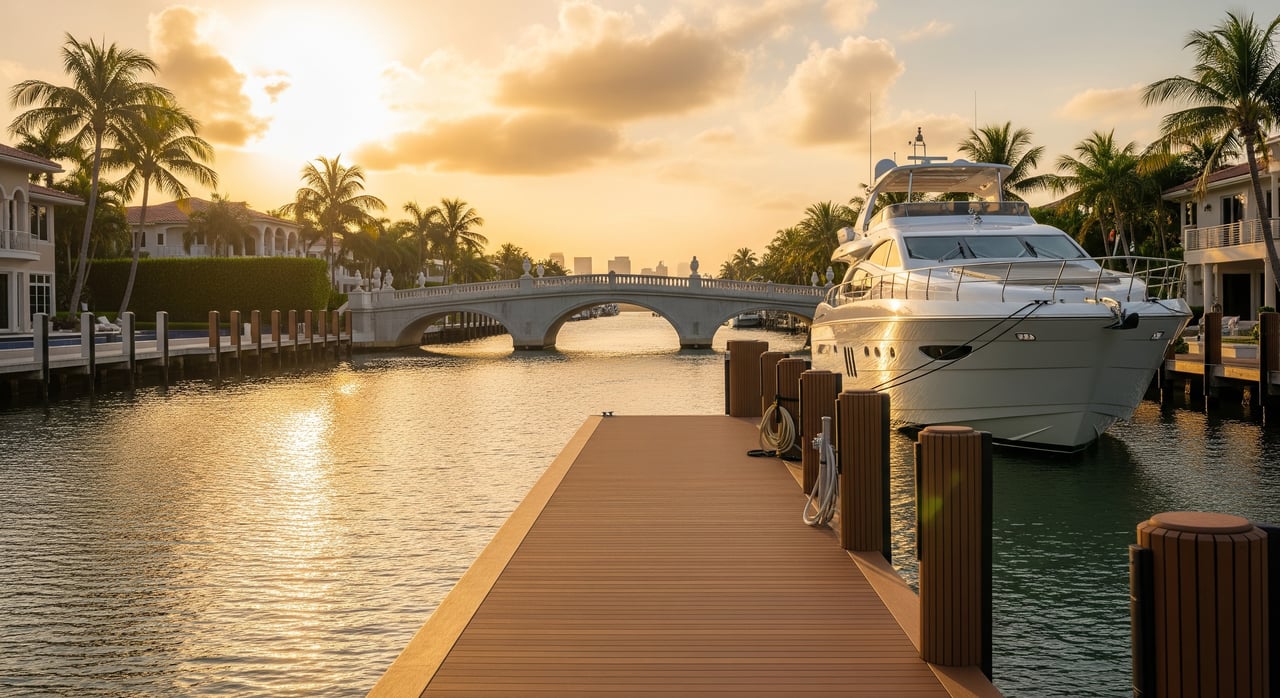
Seven Isles and the Las Olas Isles sit on a web of protected tidal canals that connect directly to the Intracoastal Waterway and offer quick ocean access through the Las Olas corridor. These are active, urban waterways with frequent recreational and yacht traffic. You will find everything from trailerable runabouts to 60-foot plus motor yachts tied up along seawalls and finger piers.
Because these canals are tidal, you should factor in small changes in water level, occasional shoaling at canal mouths, and the influence of wind and current on maneuvering. If your vessel has significant air draft, verify any fixed or bascule bridge clearances between the property and open water before you fall in love with a home.
Start with your boat’s numbers
Your boat’s basic dimensions determine whether a dock can work. Focus on overall length, beam, draft, and air draft.
LOA and slip length
- Rule of thumb: plan for a slip at least your boat’s LOA plus 3 to 6 feet to allow for fenders, lines, and easy walk-on access.
- For larger boats over 60 feet or if you keep a tender alongside, add more spare length for comfort and safe handling.
- Confirm how the listing measures length. Some sellers cite pier length instead of the clear usable water length.
Beam and side clearance
- Allow at least 1 to 2 feet of clearance on each side beyond your boat’s beam for smaller and mid-size boats.
- For larger yachts or higher-wake areas, a 2 to 3 foot buffer per side is preferable.
- If a finger pier is present, check the usable distance between the pier and the seawall or opposing finger rather than relying on a rough estimate.
Draft and depth safety margin
- Evaluate depth at the controlling low-water level, such as local low tide.
- Aim for boat draft plus 1.5 to 2.0 feet of clearance for routine docking. Soft bottoms, silt, or stronger currents may justify more.
- Ask for recent soundings, the date of any dredging, and whether depths have changed since last measured. Depths in private canals can be shallower than charts suggest if maintenance dredging has not been recent.
Know your water and ways
Turning space, tidal behavior, and air draft can make or break daily usability even when length, beam, and depth look fine on paper.
Canal width and turning space
- For a 90-degree turn into or out of a slip, look for clear width of about 1.5 to 2 times your boat’s LOA.
- For a 180-degree turn, a turning diameter of roughly 2.5 to 3 times LOA is a common planning guide.
- Account for nearby boats, overhanging trees, shallow edges, and wind or current. If typical conditions set you downwind or against current, give yourself extra room.
Tides, shoaling, and air draft
- Even though southeast Florida’s tidal range is relatively small, it still affects boarding height and under-keel clearance.
- Shoaling can occur near canal entrances and along seawalls. Ask for dredging records and recent depth checks when evaluating a property.
- If your boat has a tall superstructure or mast, verify vertical clearances for any fixed bridges between the property and the Intracoastal or inlet.
Dock types that work here
Both fixed and floating docks are common in Seven Isles. Your choice should reflect your boat and how you board.
Fixed vs floating docks
- Fixed docks
- Pros: very stable, favored for heavy-duty use and larger vessels, well suited to small tidal range.
- Cons: boarding height changes with tide, may require more structure in deeper water.
- Floating docks
- Pros: rise and fall with the tide for easier boarding, can reduce line adjustments, often cost-effective in deeper water.
- Cons: can feel less stable for some users and require ongoing maintenance of floatation and hardware.
Slip configurations and mooring gear
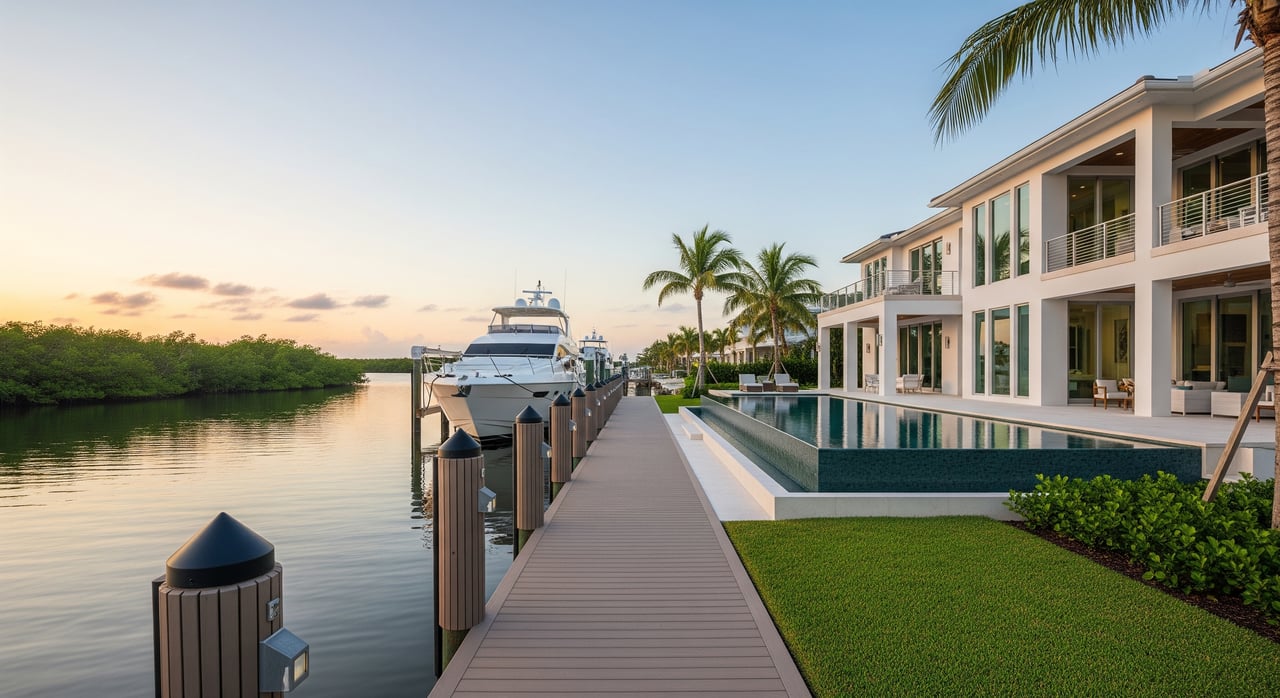
- Common setups include stern-to along the seawall for direct access and side-tie at a finger pier.
- Larger yachts may use fixed pilings with bridle systems or belts.
- Confirm cleat locations, piling condition, and shore power capacity. Higher amperage service for bigger yachts typically requires permitted electrical work.
Shore power and utilities
- Check for 120V vs 240V service and available amperage. Upgrading shore power may require permits and utility coordination.
- Private docks generally cannot dispense fuel without commercial permits. Know the location of nearby fuel docks and pump-out facilities for routine operations.
Permits, seawalls, and timing
In Seven Isles, dock work often involves multiple layers of approval. Build time into your plans for permits and engineering.
Who approves what
- City of Fort Lauderdale and Broward County handle local permits for docks, seawalls, and related electrical or plumbing.
- The Florida Department of Environmental Protection oversees authorizations for structures over sovereign submerged lands and coastal resources.
- The U.S. Army Corps of Engineers may be required for work in navigable waters. Florida Fish & Wildlife Conservation Commission guidance applies to manatee protection zones and speed regulations.
- Expect that changing the dock footprint or doing a full replacement can trigger a fresh sequence of permits. Lead times can be months depending on scope.
Seawall health and elevation
- A failing seawall can delay or prevent dock permits until repaired or replaced.
- Structural changes typically require engineered plans from a licensed marine or civil engineer. Ask for any existing engineered drawings or as-built surveys.
- Local floodplain rules can influence allowable dock heights, electrical installations, and tie-down requirements during storm events.
Environmental notes
- Seagrass and benthic habitats near a dock can affect design. Regulators may require open-grate decking or other measures to reduce shading.
- Manatee protection and no-wake zones shape safe approach speeds and dock use.
- Lighting may be subject to best practices that minimize impacts on aquatic life.
On-site evaluation checklist
Use this quick checklist to compare properties and avoid surprises later.
Measurements and observations
- Measure or verify water depth at low tide where the boat will sit.
- Note slip length and the clear usable length from seawall to finger end.
- Confirm slip width between fingers or between the seawall and opposing structure.
- Estimate turning space from the slip to the nearest corner, canal mouth, or narrowing.
- Inspect seawall, pilings, decking, and hardware for settlement, corrosion, rot, or leaning.
- Map cleat positions, piling locations, and any bridle or belt systems.
- Check shore power type and amperage, water hookups, lighting, and security.
- Identify nearby obstructions, including trees, low eaves, or neighbors’ fixed structures.
Questions for the seller or agent
- What is the measured low-tide depth at the slip, and when was it last checked?
- When was the last dredging near the property, and are records available?
- Are there active or past permits for the dock or seawall, and are they transferable?
- Has the seawall or dock been rebuilt or repaired, and are engineered plans on file?
- Any encroachments, easements, or HOA rules affecting dock size or guest docking?
- Any history of insurance claims for dock damage or flooding?
Operational checks
- If possible, observe a docking of your boat or a comparable vessel to evaluate maneuverability.
- Review typical tide and wind patterns for the times you expect to use the slip.
When to involve specialists
- Engage a marine surveyor or licensed marine contractor if depth, structure, or maneuvering is a concern.
- Have a licensed engineer evaluate older seawalls before closing on a property with significant waterfront infrastructure.
Common scenarios and quick math
Let these examples guide your shortlisting. Always confirm with a professional before committing.
32-foot center console
- Slip length target: LOA 32 ft plus 3 to 6 ft equals 35 to 38 ft.
- Beam clearance: if beam is 10 ft, aim for at least 1 to 2 ft per side, so 12 to 14 ft of clear width.
- Depth margin: with a 2.5 ft draft, target 4 to 4.5 ft at low tide.
- Turning: for a 90-degree approach, about 1.5 to 2 times LOA suggests 48 to 64 ft of clear canal width.
52-foot sport yacht
- Slip length target: 52 ft plus 6 to 10 ft equals 58 to 62 ft for easier handling.
- Beam clearance: if beam is 15 ft, prefer 2 to 3 ft per side, so 19 to 21 ft of clear width.
- Depth margin: with a 4.5 ft draft, plan for 6 to 6.5 ft at low tide.
- Turning: a 180-degree turn may need 2.5 to 3 times LOA, about 130 to 156 ft of clear width.
70-foot motoryacht
- Slip length target: at least 76 to 80 ft depending on tender storage and crew needs.
- Beam clearance: if beam is 18 ft, allow 2 to 3 ft per side for 22 to 24 ft of clear width.
- Depth margin: with a 6 ft draft, target 7.5 to 8 ft at low tide, or more for silt and soft bottoms.
- Turning: plan for ample diameter consistent with marina design guidance at 2.5 to 3 times LOA.
Next steps with a local advisor
The right Seven Isles dock is about smart measurements, clean permits, and practical maneuvering. If you want a property that fits your boat today and holds value long term, combine these heuristics with current depth checks, seawall reports, and a clear permitting path. Whether you are upgrading within Las Olas or relocating to Fort Lauderdale, you deserve calm, expert guidance tailored to how you actually boat.
If you would like a curated shortlist, English or Spanish, with the dock specs that match your vessel, reach out to schedule a private consultation with Jaime Cristancho. You will get a locally grounded, concierge approach that aligns waterfront lifestyle with smart, future-ready ownership.
FAQs
What boat sizes typically fit Seven Isles docks?
- You will see everything from 25 to 60 feet as a common range, with some properties supporting significantly larger yachts. Always confirm length, width, and depth on a case-by-case basis.
How do I verify depth at a private dock?
- Ask for recent low-tide soundings and the date measured, compare to any dredging records, and consider hiring a marine surveyor for independent verification.
Do I need permits to replace a dock in Fort Lauderdale?
- Yes. Local permits typically come from the City of Fort Lauderdale and Broward County, with possible state and federal approvals depending on scope and location.
Should I choose a fixed or floating dock in Las Olas canals?
- Both work well. Fixed docks offer stability for larger vessels, while floating docks make boarding easier as they rise and fall with the tide. Choose based on your boat and boarding preferences.
What should I ask sellers about dredging and shoaling?
- Ask when the area was last dredged, whether there are records, and what the measured low-tide depth is at the slip today. Depths can change over time.
How much turning space do I need in a narrow canal?
- As a guide, plan for 1.5 to 2 times your boat’s LOA for a 90-degree turn and about 2.5 to 3 times LOA for a 180-degree turn, adjusted for wind, current, and nearby obstructions.