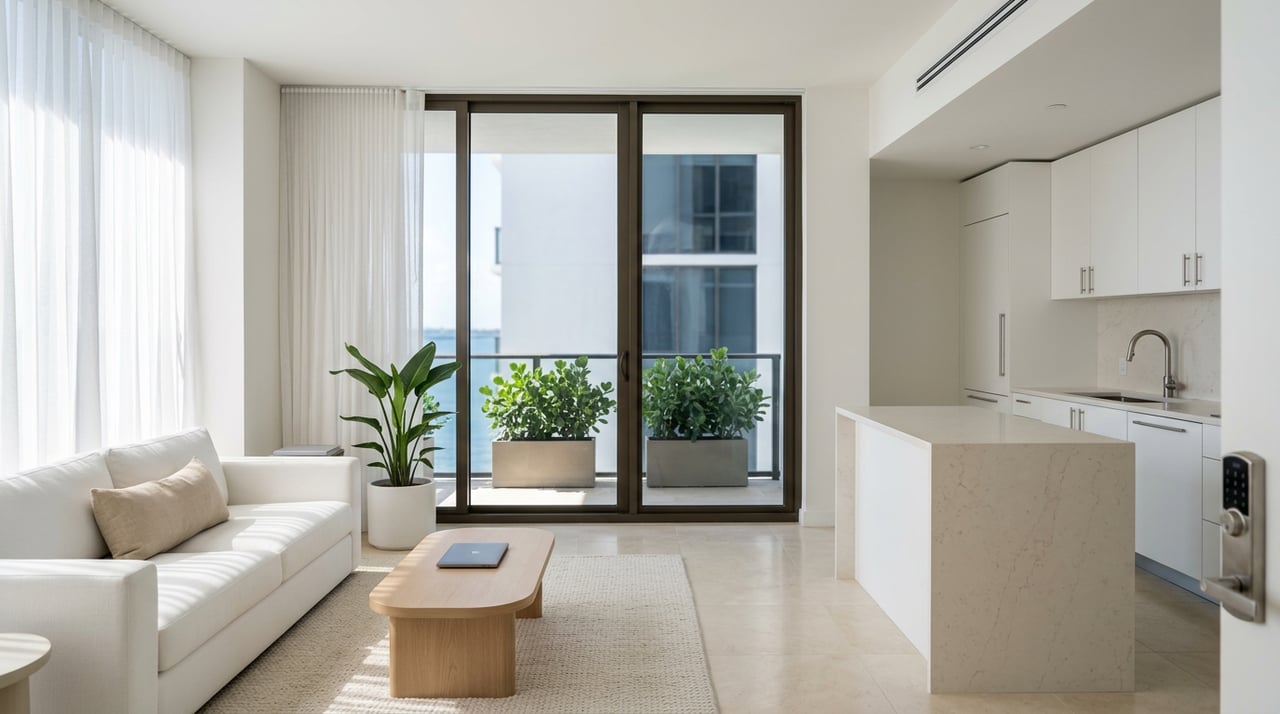
Rental Strategy Basics For Downtown Fort Lauderdale Condos
March 24, 2026
March 24, 2026
Thinking about renting a condo in Downtown Fort Lauderdale? The demand is real, especially during winter and event season, but your returns depend on getting the rules, taxes, and building policies right from day one. If you want predictable income and fewer headaches, you need a clear game plan tailored to your building and the city’s requirements. In this guide, you’ll learn the essentials, from registration and lodging taxes to condo association rules, pricing, and management options. Let’s dive in.
Before you underwrite a single rent check, confirm three layers of requirements. Missing any one of them can derail your plan.
Fort Lauderdale requires registration for any condo advertised for stays of 30 days or less. The city’s program sets life-safety, operations, and recordkeeping standards, and it has stepped up enforcement and fines. Review the city’s requirements and timeline on the Fort Lauderdale Vacation Rental Registration page and build registration time into your launch plan.
Your building’s recorded declaration, bylaws, and rules set the tone for what is allowed: minimum lease terms, any waiting period before you can lease, caps on leased units, and tenant screening or approval fees. Florida condominium law gives associations strong enforcement tools, so treat these documents as decisive. Start with the most recent recorded declaration and any amendments that mention leasing.
If you plan to finance, confirm the condo project’s eligibility with your lender early. High rental concentrations or condo-hotel features can make a project non-warrantable and limit loan options. Review typical project checks outlined by agencies like Freddie Mac so you know what underwriters look for in condo project eligibility.
Short- and mid-term stays can deliver strong peak-season revenue, but they also trigger specific licensing and taxes.
If you will market stays of 30 days or less, you must register before you list. Expect to designate a 24/7 local contact, pass inspections, and keep certain operational data, such as noise monitoring logs, available for the city. Processing times can stretch during peak renewal periods, so apply early via the city’s vacation rental program.
Transient rentals of six months or less are generally subject to three layers of tax. Broward County charges a 6 percent Tourist Development Tax and requires separate registration and filings. Review rates and filing steps on the Broward Tourist Development Tax page.
Florida also imposes a 6 percent state sales tax on transient accommodations, plus any county discretionary surtax, which is typically 1 percent in Broward. For short-term stays, model roughly 13 percent combined lodging taxes: state sales tax at 6 percent, county discretionary surtax near 1 percent, and Broward’s 6 percent TDT. The Florida Department of Revenue outlines transient accommodation rules in its sales and use tax guide. Always confirm exact surtax rates for the property’s taxing district.
Stays longer than six months can be treated differently for tax purposes. Broward’s TDT generally exempts a bona fide tenancy once a tenant has occupied a property for more than six months, with the exemption typically beginning on day 211 of continuous occupancy under a valid lease. Long-term leases can simplify compliance and reduce tax drag, so align your lease terms with your strategy.
Your building’s rules are often the single biggest factor in your rental approach.
Minimum lease lengths vary widely by building. You will see minimums like 30 days, 90 days, six months, or even 12 months, often paired with a cap on the number of leases allowed at once. Some buildings prohibit marketing nightly stays entirely. Always verify the recorded declaration and the most recent amendments before assuming a strategy will work.
Many associations cap the percentage of units that can be leased at a time. If the cap has been reached, new leases may be denied until space opens, often managed through a waiting list. Ask for the current rental roll and the association’s calculation of any cap, and keep documentation of how the board interprets and enforces that cap. For practical guidance on disputes and documentation, review this discussion of association rental denials and caps.
If you are worried about a building adopting stricter rental rules after you buy, Florida condominium law offers a key protection. Under Chapter 718, amendments that prohibit renting, change rental durations, or limit how often you can rent typically apply only to owners who consented to the change or to owners who acquire title after the amendment takes effect. Work with a qualified attorney to review how any amendment applies to your situation and whether you would be grandfathered.
Ground your underwriting in local data so you do not overpromise returns.
Downtown Fort Lauderdale’s urban core commands premium pricing compared with the broader metro. Neighborhood-level data shows the average rent around $4,118 per month, reflecting high-amenity towers and luxury inventory. Get a feel for current averages and trends using the Downtown Fort Lauderdale rent report, then fine-tune using comps in your specific building and adjacent blocks.
Short-term rental performance in Fort Lauderdale shows a strong seasonal pattern. A recent 12-month view highlights an average daily rate near $350, typical occupancy in the high 40 percent range, and a median annual revenue around $48,000 per listing, with March often the peak month. Many operators set 30-plus night minimums in off-peak months to attract snowbirds and traveling professionals. See market-level snapshots to calibrate your plan in the Fort Lauderdale STR overview.
There is no one-size-fits-all approach. Pick a path that fits your building’s rules, your cash flow goals, and your capacity to manage operations.
Short-term rentals usually require specialized insurance and higher liability limits in addition to your HO-6 policy. Review hurricane and windstorm deductibles, which can be higher in South Florida. Budget for frequent cleanings, supply restocking, and furniture replacement, and plan for a higher operating expense ratio with STRs compared with traditional leases.
Downtown renters and extended-stay guests look for modern convenience and ease of living. You can boost demand and justify higher rates with the right mix of features.
For a national look at what renters prioritize, see the recent rental amenity insights and align them with your building’s capabilities.
Your exit strategy and loan options are tied to project eligibility and the building’s rental profile. Projects with high STR usage or condo-hotel characteristics can face tighter lending standards and a smaller buyer pool. Review project eligibility parameters highlighted in Freddie Mac’s condo guidance and talk to your lender before you commit.
Also consider how association rules might evolve. Florida law limits retroactive application of certain rental restrictions, but buyers who take title after an amendment may be subject to new limits. Understanding both financing and governance helps protect your resale value.
Use this quick list to validate a building and refine your underwriting.
Ready to match a rental strategy to the right building and block? If you want localized comps, current association insight, and a plan that aligns with both compliance and returns, connect with Jaime Cristancho for a tailored consultation.
Stay up to date on the latest real estate trends.





Embark on a seamless real estate journey with Jaime Cristancho. From initial consultation to closing, we’re here to listen, guide, and help you achieve success in every step of your South Florida property journey.

1209 E LAS OLAS BLVD FORT LAUDERDALE FL 33301